What Is Relationship PTSD?
Relationship PTSD develops when you experience trauma from intimate partner abuse. This psychological condition emerges from the deep wounds inflicted by someone you trusted, loved, or depended on. The trauma reshapes how you view yourself, others, and the possibility of safe connection.
Multiple forms of abuse can trigger relationship PTSD:
- Verbal abuse – constant criticism, name-calling, and degrading language
- Physical abuse – hitting, pushing, or any form of bodily harm
- Emotional abuse – manipulation, isolation, and systematic undermining of your worth
- Mental abuse – gaslighting, mind games, and psychological control tactics
- Sexual abuse – coercion, assault, or violation of boundaries
Relationship PTSD shares core symptoms with traditional PTSD—intrusive memories, avoidance behaviors, hypervigilance, and negative mood changes. The key difference lies in the source: while traditional PTSD can stem from various traumatic events, relationship PTSD specifically originates from intimate partner dynamics. You might experience flashbacks to arguments, panic when your current partner raises their voice, or avoid relationships entirely.
When abuse occurs repeatedly over extended periods, you may develop complex PTSD (CPTSD). This condition includes additional symptoms like difficulty regulating emotions, persistent negative self-perception, and challenges maintaining relationships. CPTSD in relationships reflects the cumulative impact of ongoing trauma within intimate partnerships.
Understanding relationship PTSD is your first step toward recognizing how past experiences affect your current capacity for love and connection.
Recognizing the Signs: How Past Trauma Affects Your Love Life
The signs of relationship PTSD often show up in ways you might not immediately connect to your past experiences. You may notice your romantic confidence has taken a hit—constantly second-guessing yourself, apologizing excessively, or believing you don’t deserve healthy love. This lowered self-esteem stems directly from the self-blame many trauma survivors carry, making it difficult to show up authentically in new relationships.
1. Trust Issues
Trust becomes your biggest hurdle. You find yourself questioning your partner’s motives, checking their phone, or creating tests to “prove” their loyalty. This difficulty trusting partners isn’t paranoia—it’s a symptom of relationship PTSD protecting you from potential harm. The insecurity in relationships manifests as constant reassurance-seeking or emotional withdrawal when you feel vulnerable. Such trust issues could stem from past betrayals that have left deep emotional scars.
2. Intrusive Thoughts
Your mind won’t let you forget. Intrusive thoughts about your past relationship interrupt romantic moments. Flashbacks can be triggered by specific words, tones of voice, or situations that mirror your trauma. You might experience nightmares that leave you exhausted and emotionally drained, making it harder to be present with your current partner.
3. Hypervigilance
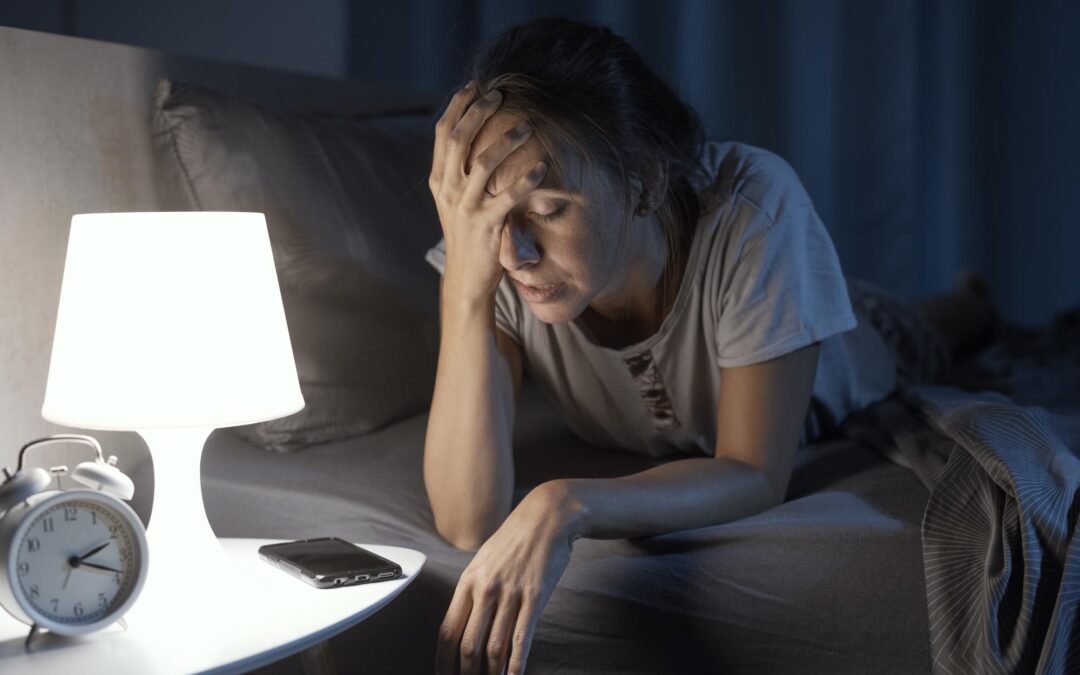
Hypervigilance keeps you on edge. You’re constantly scanning for danger signs, analyzing every text message, and preparing for the relationship to end. This state of high alert, combined with insomnia, leaves you emotionally unavailable—even when you desperately want to connect. The fear of intimacy after trauma creates a painful cycle: you crave closeness but panic when someone gets too near.
4. Sexual Dysfunction
Sexual dysfunction is another common symptom of relationship PTSD. You might experience physical pain, flashbacks during intimacy, or complete avoidance of sexual contact. Some survivors cope through quick rebounds—jumping from relationship to relationship to avoid processing their trauma—while others isolate completely, trapped by shame, guilt, and loneliness. These issues may also be compounded by the long-term effects of sexual violence, which can further complicate intimate relationships and personal healing processes.
Early Warning Signs of Toxic Relationships That Can Lead to Relationship PTSD
Understanding toxic relationships warning signs can protect you from developing relationship trauma. These patterns often start subtly before escalating into more severe forms of abuse.
1. Belittling and Constant Criticism
Belittling and constant criticism erode your sense of self-worth over time. When your partner consistently mocks your appearance, intelligence, or achievements—whether in private or front of others—they’re establishing a pattern of emotional abuse. You might notice yourself second-guessing decisions you once made confidently or apologizing for things that aren’t your fault.
2. Gaslighting
Gaslighting represents one of the most damaging emotional abuse signs. Your partner may deny conversations happened, insist you’re “too sensitive,” or twist events to make you question your memory and perception. This manipulation technique leaves you doubting your reality and increasingly dependent on your partner’s version of events.
3. Controlling Behavior in Relationships
Controlling behavior in relationships manifests through monitoring your phone, dictating what you wear, isolating you from friends and family, or demanding access to your passwords. Your partner might disguise these actions as care or concern, making it harder to recognize the control.
4. Physical Abuse
Physical abuse—including hitting, pushing, restraining, or throwing objects—always signals immediate danger. Physical violence often follows emotional abuse patterns and requires urgent intervention. You deserve safety, and physical aggression is never justified regardless of circumstances or apologies that follow.
How Trauma Influences Attachment Styles and Relationship Dynamics
When you’ve experienced relationship trauma, your brain rewires itself to protect you from future harm. This protective mechanism directly shapes how you connect with others, often creating attachment styles and trauma patterns that feel impossible to break.
Anxious Attachment
Anxious attachment develops when past abuse leaves you constantly seeking reassurance. You might find yourself checking your partner’s phone, needing frequent validation, or panicking when they don’t respond immediately. This hypervigilance stems from learned survival behaviors.
Avoidant Attachment
Avoidant attachment manifests differently. You build walls, keep emotional distance, and struggle with vulnerability. Intimacy feels threatening because opening up once led to pain. You might sabotage relationships before they deepen, believing abandonment is inevitable.
Trauma Bonding
Trauma bonding, creates a particularly confusing dynamic. This isn’t love—it’s a psychological response where intermittent reinforcement (cycles of abuse followed by affection) creates intense emotional dependency. Your brain releases dopamine during “good” moments, making you crave your abuser despite the harm they cause. The intensity feels like passion, but it’s actually your nervous system responding to unpredictability.
Healthy Attachment
Healthy attachment, by contrast, feels stable. You experience consistent respect, open communication, and safety to express needs without fear of punishment. There’s no walking on eggshells, no dramatic highs and lows.
Relationship PTSD
Relationship PTSD makes forming secure connections challenging. You might misinterpret healthy behavior as suspicious or push away partners who treat you well because kindness feels unfamiliar.
Understanding these dynamics is crucial for healing and developing healthier relationships in the future. Recognizing the signs of different attachment styles can empower individuals to seek help and work towards healthier emotional connections. It’s essential to remember that recovery is possible and healthy relationships are achievable with the right support and understanding.
The Long-Term Impact of Relationship Trauma on Emotional Health
The long-term effects of relationship trauma extend far beyond the end of an abusive relationship. You might find yourself constantly scanning your environment for threats, unable to relax even in safe spaces. This persistent state of hypervigilance erodes your sense of safety, making isolation feel like the only viable option. When the world feels dangerous, withdrawing from social connections becomes a protective mechanism—even though it deepens your pain.
Trust issues after abuse create invisible barriers in every interaction. You question your partner’s intentions, analyze their words for hidden meanings, and struggle to accept genuine affection. This constant doubt prevents true intimacy from developing, leaving you feeling disconnected even when you’re physically close to someone.
Your internal dialogue shifts after trauma. You internalize the criticism and blame from your abuser, developing a negative self-perception that colors every aspect of your life. You might believe you’re unworthy of love, incapable of maintaining healthy relationships, or fundamentally broken.
Emotional regulation difficulties manifest in unexpected ways. You experience intense anger over minor frustrations, overwhelming anxiety in situations that shouldn’t trigger fear, or emotional numbness when you desperately want to feel connected. These reactions aren’t character flaws—they’re symptoms of unprocessed trauma.
Complex PTSD significantly increases your vulnerability to depression and suicidal thoughts. The combination of persistent symptoms, damaged self-worth, and chronic stress creates a mental health crisis that requires professional help.
Pathways to Healing: Therapy for Relationship PTSD in West LA
Recovery from relationship trauma requires professional guidance to navigate the complex emotions that surface after abuse. Therapy for relationship PTSD creates a safe space where you can process fear, anger, anxiety, and insecurity without judgment. Working with a trained therapist helps you understand how past experiences continue to influence your present reactions and relationship choices.
PTSD treatment West LA incorporates evidence-based therapeutic techniques designed specifically for trauma survivors:
- Trauma desensitization approaches like EMDR (Eye Movement Desensitization and Reprocessing) help reduce the emotional intensity of traumatic memories
- Cognitive Processing Therapy addresses distorted beliefs about yourself and relationships that developed during abuse
- Somatic experiencing reconnects you with your body’s signals, which trauma often disrupts
Your healing journey extends beyond therapy sessions. Building practical coping strategies strengthens your ability to manage difficult emotions as they arise. Journaling provides an outlet for processing thoughts you’re not ready to speak aloud, while meditation helps regulate your nervous system when triggers appear.
Support groups offer validation that you’re not alone in your experience. Hearing others’ stories and sharing your own creates connections that combat the isolation trauma creates. For those interested in exploring this avenue, our article on support groups provides valuable insights.
Relationship trauma therapy West LA at our center combines these approaches into personalized treatment plans. You deserve specialized care that recognizes the unique impact of intimate partner trauma on your mental health and future relationships. As part of this holistic approach to healing, we also provide essential resources for those looking to support a loved one in addiction treatment, as well as guidance on recovery strategies that extend beyond the therapy room. If you’re ready to take the next step towards healing, don’t hesitate to reach out through our contact page.
Building Healthy Relationships After Trauma
Healing from relationship PTSD starts with rebuilding the foundation of trust—beginning with yourself. You need to honor your boundaries, listen to your instincts, and acknowledge that your feelings are valid. This self-trust becomes the cornerstone for healthy relationships after trauma. When you trust your own judgment again, you create space for authentic connections with others who respect your healing journey.
Transforming Your Relationship Approach
Developing secure attachment through mindful practices transforms how you relate to potential partners:
- Practice staying present during conversations instead of scanning for threats
- Notice when you’re reacting to past wounds rather than current circumstances
- Distinguish between genuine red flags and trauma-triggered anxiety with mindfulness
These techniques empower you to make clearer decisions about who deserves access to your heart.
Recognizing Healthy Relational Patterns
Recognizing healthy versus unhealthy relational patterns becomes essential as you move forward:
- Healthy partners respect your “no” without guilt-tripping or pressure
- They communicate openly rather than using silent treatment or manipulation
- They celebrate your independence instead of isolating you from support systems
- They take accountability for mistakes rather than deflecting blame onto you
Understanding these distinctions protects you from repeating painful cycles. Relationship PTSD doesn’t have to define your future connections.
Specialized Resources for Healing
We offer specialized resources designed to help you cultivate secure, fulfilling relationships that honor your healing process and support your continued growth.
Supporting Your Recovery Outside Therapy
Your healing journey extends beyond therapy sessions. Coping strategies for relationship PTSD recovery work best when you integrate them into your daily life, creating a foundation that supports your ongoing growth.
Managing Triggers with Meditation and Journaling
Meditation and journaling serve as powerful tools for managing triggers when they arise:
- Use meditation to ground yourself in moments of anxiety, bringing awareness to your body’s responses without judgment.
- Utilize journaling to process emotions, track patterns, and recognize how far you’ve come in your recovery.
The Importance of a Supportive Social Network
Creating a supportive social network makes a significant difference in your healing process. You need people who understand that relationship PTSD affects how you show up in connections—friends who won’t pressure you to “get over it” or rush your timeline. These relationships provide safety as you practice vulnerability again.
Combating Isolation and Reinforcing Trauma Patterns
Isolation often feels like protection, but it actually reinforces trauma patterns. You can combat this by:
- Scheduling regular check-ins with trusted friends or family
- Joining activities that align with your interests and values
- Practicing self-compassion when social situations feel overwhelming
- Setting boundaries that honor your needs while staying connected
Finding Support in Trauma Survivor Networks
Support networks for trauma survivors create spaces where you don’t have to explain yourself. Our community support programs at West LA Recovery offer ongoing connection with others who understand the complexities of relationship PTSD. You’re not meant to navigate this alone—reach out to explore how our programs can support your continued healing.
FAQs (Frequently Asked Questions)
What is relationship PTSD and how does it differ from traditional PTSD?
Relationship PTSD is trauma resulting from intimate partner abuse, including verbal, physical, emotional, mental, and sexual abuse. Unlike traditional PTSD often linked to singular traumatic events, relationship PTSD can involve complex PTSD (CPTSD) due to prolonged abuse in relationships.
What are the common signs and symptoms of relationship PTSD affecting romantic relationships?
Signs include fear of intimacy, lowered self-esteem, difficulty trusting partners, intrusive thoughts or flashbacks, hypervigilance, insomnia, shame, guilt, loneliness, quick rebounds as coping mechanisms, and sexual dysfunction linked to trauma history.
How can I recognize early warning signs of toxic relationships that may lead to relationship PTSD?
Early warning signs include belittling and criticism, gaslighting impacting mental health, controlling behaviors, emotional abuse patterns, and physical abuse as a critical red flag.
In what ways does trauma influence attachment styles and relationship dynamics?
Trauma can affect attachment styles such as anxious or avoidant types. It may cause trauma bonding—unhealthy attachments formed after abuse—which differs from healthy emotional attachments. This impacts the ability to form secure connections in new relationships.
What are the long-term emotional health impacts of relationship trauma?
Long-term effects include loss of safety perception leading to isolation, persistent trust issues undermining intimacy, negative self-perception rooted in past abuse, emotional regulation difficulties like anger and anxiety, and increased risk for depression and suicidal thoughts linked to complex PTSD.
What therapy options are available for healing relationship PTSD in West LA?
Therapy options include professional treatment focusing on processing emotions such as fear, anger, anxiety, and insecurity using trauma desensitization techniques. Building coping strategies like journaling and meditation is encouraged alongside support groups. Specialized relationship trauma therapy is available at West LA Recovery for comprehensive healing.