

The Importance of Balancing Work and Recovery Maintaining a healthy balance between work and recovery creates a strong foundation for lasting sobriety. Your professional life can provide structure, purpose, and financial stability - essential elements that support...
Blog
Insights and Inspiration
Our blog is a space for education, inspiration, and community. Featuring articles written by our experienced staff, guest experts, and even stories from those in recovery, we cover a range of topics from treatment approaches to personal wellness strategies.
Stay informed and inspired as you navigate your path to recovery. Our blog is updated regularly with new content designed to support and educate our community.

Understanding Addiction: A Complex Condition Addiction is not just about lacking willpower or being morally weak. It's a complicated condition that changes how your brain works, creating strong physical and psychological dependencies that can seem impossible to...

Nature-Based Activities multicultural multinational happy people running into the sun carefree and happiness, vacation on sea. Nature offers a powerful sanctuary for those in recovery. Stepping away from urban environments and immersing yourself in outdoor activities...

Importance of Self-Care in Sobriety Self-care isn't just a trendy buzzword—it's a crucial foundation for lasting sobriety. Your recovery journey demands attention to both your physical and emotional well-being, creating a balanced approach that supports long-term...

Importance of Building a Sober Social Circle Building a strong network of friends in sobriety creates a foundation for lasting recovery. When you surround yourself with people who understand and support your journey, you discover a sense of belonging that doesn't rely...

Preparation and Intentions for Sober Travel Setting clear intentions before your sober travel adventure creates a strong foundation for a successful, substance-free experience. Start by openly communicating your commitment to staying sober with your travel companions....

Relapse Prevention and Boredom Boredom is a hidden danger on your road to recovery. Many people recovering from addiction don't realize how powerful unoccupied time can be, but studies show that boredom can often lead to relapse. When you were actively addicted, your...

Addiction and Personal Identity Substance use disorders create a profound shift in how you view yourself. Your identity becomes intertwined with addiction, often overshadowing the core aspects of who you are. This transformation happens gradually - you might start...

Overview of Ibogaine and Ayahuasca Plant medicines have become powerful tools in treating addiction, with Ibogaine and Ayahuasca leading the way in psychedelic therapy. These natural substances offer different methods for healing and recovery. What is Ibogaine?...

Overview of Ibogaine Therapy Ibogaine therapy is an innovative method for treating addiction. It uses a natural psychoactive substance found in the root bark of the African shrub Tabernanthe iboga. This powerful compound has gained attention for its potential to...
1. Mindfulness and Meditation for Anxiety in Recovery Mindfulness practices offer powerful tools to manage anxiety during recovery. Simple mindful breathing exercises can calm racing thoughts and release physical tension in your body. By focusing on each breath, you...

Taking the first step toward addiction recovery through therapy is a powerful decision that marks the beginning of your healing journey. Your initial therapy session creates the foundation for your recovery process, setting the tone for future therapeutic work. During...

Group Therapy for Addiction Treatment Group therapy is a fundamental part of addiction recovery. It brings together 6 to 12 individuals who are struggling with addiction, led by trained therapists. This collaborative environment creates a powerful healing space where...

1. Cognitive Behavioral Therapy (CBT) Cognitive Behavioral Therapy (CBT) is a widely used approach in addiction treatment. It focuses on understanding and changing negative thought patterns that contribute to substance use. How CBT Works CBT helps individuals identify...

Online Therapy for Addiction Online therapy for addiction brings professional mental health support directly to your screen through video calls, messaging, or phone sessions. This digital approach to addiction treatment has changed the way people access important...

Understanding MDMA Abuse MDMA, commonly known as ecstasy or molly, is a synthetic drug that alters mood and perception. MDMA abuse occurs when someone uses the drug regularly, in high doses, or continues using despite negative consequences to their health and life....

The Science Behind Weed and Sleep Weed interacts with your body's endocannabinoid system through specialized receptors, primarily CB1 and CB2. These receptors play a crucial role in regulating sleep-wake cycles and maintaining sleep stability. Your brain's adenosine...
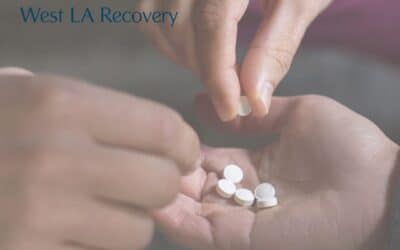
MDMA—commonly known as Molly or Ecstasy—has gained popularity for its euphoric, energetic, and empathetic effects. Often associated with music festivals and club scenes, MDMA may appear relatively harmless to some users. However, beneath the surface of its stimulating...
The Chemistry of Weed: THC, CBD, and the Endocannabinoid System Cannabis contains over 100 unique compounds called cannabinoids, with THC (tetrahydrocannabinol) and CBD (cannabidiol) being the most prominent. THC creates the characteristic "high" associated with...
How Does Weed Affect Your Body? Marijuana, commonly known as weed, is a plant-based substance containing over 400 chemical compounds. The primary psychoactive ingredient, tetrahydrocannabinol (THC), creates the characteristic "high" users experience. How THC Works in...